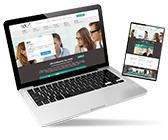

This IOSH approved course will bring delegates up to speed in all aspects of health and safety management. It follows the IOSH Managing Safely syllabus and uses the latest course materials supplied by IOSH. THis course can be delivered Onsite, Online and on Zoom. Delegates will have 12 months 1-2-1 tutor lead support post course delivery
Assessment:
Delegates will carry out a written risk assessment of their workplace environment and complete a practical exercise at the end of the course. All candidates that successfully pass the assessment will receive an IOSH Managing Safely Certificate.
Business owners, managers and supervisors will learn the core requirements of health and safety management, including their legal responsibilities, risk assessment and how to investigate accidents. This course is an open course and delegates will be provided access to online resources as well as classroom tutor-led support.
Summary
The context emphasizes the increasing importance of managing a hybrid workforce and the role of IOSH Managing Safely in ensuring safety and productivity in this environment. It discusses the challenges and solutions related to the hybrid workforce, the financial and cultural benefits of IOSH training, and how to implement IOSH Managing Safely in an organization.
The content of the IOSH Managing Safely training, including its course highlights, practical applications, and flexible learning, is also detailed. The course's shift to include online resources and a reduced on-site training is highlighted, along with its benefits for individuals and organizations. Additionally, the summary covers the FAQs related to the IOSH Managing Safely qualification and references to further information sources.






















 3 days (or 1 day per week)